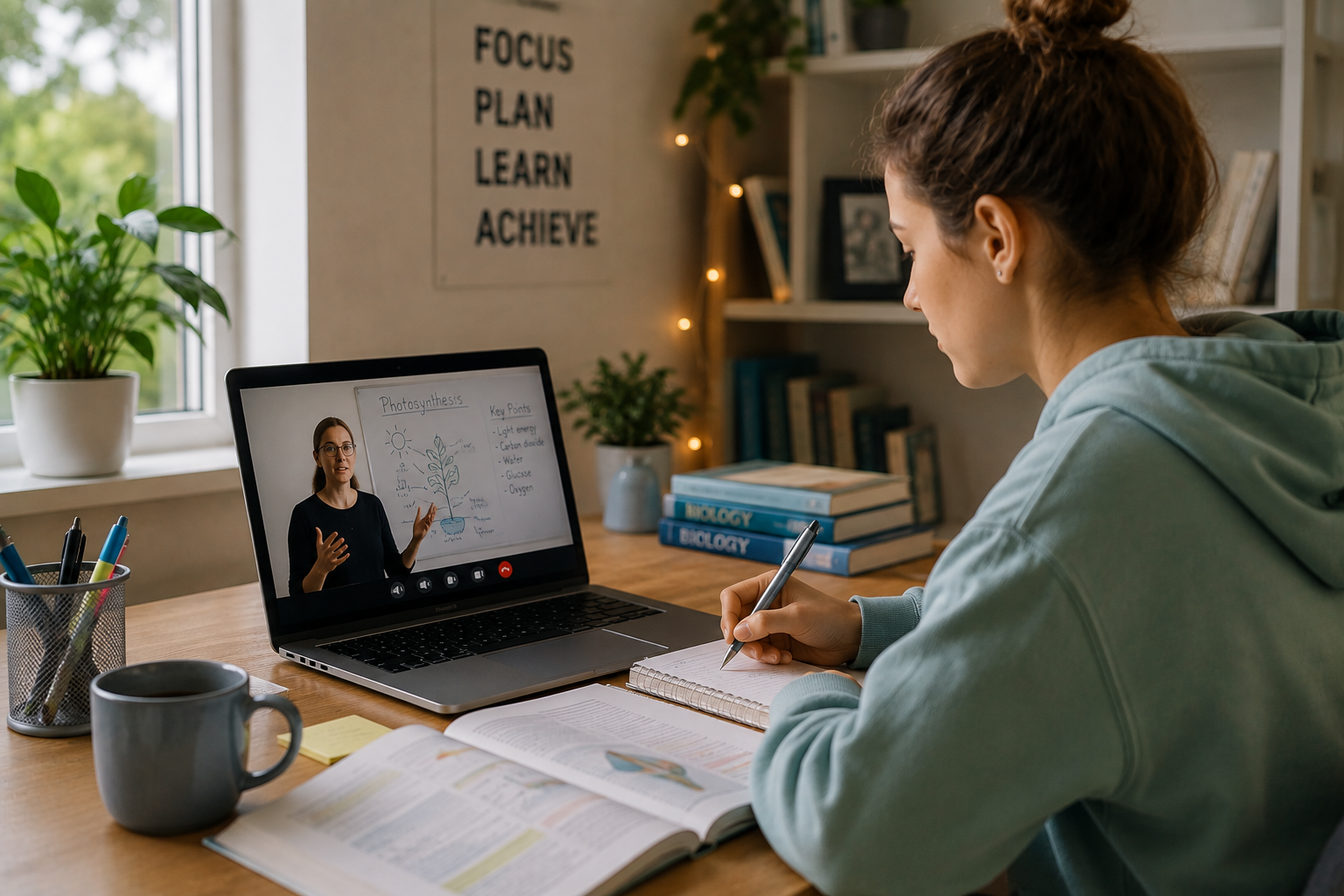
If you are considering studying online, one question may keep coming back to you: Is online learning actually as effective as traditional classroom education?
It is a sensible question, and one that many prospective learners ask before committing to a course. For years, classroom-based learning was seen as the default route for education, while online study was often viewed as a compromise. Today, that perception has changed significantly. Improvements in technology, course design and tutor support have transformed how people learn remotely.
The reality is that online learning can be highly effective, but its success often depends on the learner, the course provider and the structure of the learning experience.
Why has online learning become so popular?
Online education has grown rapidly in recent years, not simply because of convenience, but because it offers genuine flexibility that traditional learning environments cannot always provide.
For many learners, life does not fit neatly around a fixed timetable. Work commitments, childcare, health considerations or geographical limitations can all make regular classroom attendance difficult. In these situations, online learning can remove barriers that might otherwise prevent someone from continuing their education altogether.
Rather than requiring learners to fit their lives around education, online study often allows education to fit around life. For many people, that shift makes learning not only easier but also possible in the first place.
Can learners achieve the same results online?
In many cases, yes.
The idea that classroom learning is automatically superior is increasingly outdated. What matters most is not simply where learning happens, but how well the course is structured and how engaged the learner is throughout the process.
Research from organisations such as The Open University has shown that flexible digital learning can support strong learner outcomes when courses are designed well, and students remain actively engaged. Quality course design, regular feedback and access to support all play a major role in learner success.
A motivated learner with excellent resources and tutor guidance can often perform just as well online as someone studying in a physical classroom.
What are the advantages of online study?
One of the biggest strengths of online education is flexibility. Learners can often study during times that suit them best, whether that means early mornings, evenings or weekends.
This flexibility creates several important advantages. Learners can progress at their own pace, revisit difficult topics more easily and build study around existing commitments. Many people also find they become more independent and disciplined when managing their own learning schedule.
Access is another major benefit. Through online courses, learners can study from almost anywhere, opening opportunities that may not exist locally. This can be especially valuable for adult learners or those living far from colleges or training centres.
For many people, accessibility becomes just as important as flexibility.
Are there any disadvantages?
Online learning is not without challenges.
The greatest difficulty for many learners is maintaining motivation and consistency without the structure of regular in-person classes. When there is no physical classroom to attend, it can be easier to procrastinate or fall behind.
Some learners also miss the social aspects of traditional education. Classroom discussions, face-to-face interaction and immediate access to teachers can be valuable parts of the learning experience.
This is why choosing a strong provider matters so much. A well-designed course with responsive tutors, clear study plans and regular feedback can help overcome many of these challenges.
The quality of support often makes a significant difference.
Is classroom learning better for some people?
Yes, absolutely.
Some learners thrive in structured environments with fixed schedules and face-to-face interaction. If external structure helps you stay motivated, a traditional classroom may feel more natural and supportive.
Learning style matters. Personality matters. Life circumstances matter.
There is no universal answer because effective education is not one-size-fits-all. The best learning environment is often the one that allows you to stay engaged, consistent and motivated over time.
That is why comparing online and classroom learning is not always about deciding which is universally better. It is often about deciding which is better for you.
What makes online learning effective?
Successful online learning usually depends on three core factors: course quality, learner commitment and support.
Recognised providers regulated by organisations such as Ofqual typically offer clear course structures, high-quality materials and reliable academic support. This helps create a learning experience that feels guided rather than isolated.
Learners also play an important role. Consistency, time management and regular engagement are often stronger predictors of success than raw academic ability. Even little but steady progress can produce excellent results over time.
When strong course design meets committed learners, online education can be extremely effective.
Final thoughts
So, how effective is online learning compared with classroom study?
For many learners, it can be just as effective and sometimes even more suitable. The biggest advantage of online education is not that it replaces classroom learning, but that it expands access to high-quality education for people with different lifestyles and responsibilities.
The right choice depends on your circumstances, goals and preferred learning style.
For learners who value flexibility and are ready to study consistently, online learning can offer a powerful and highly effective route to achieving recognised qualifications.